
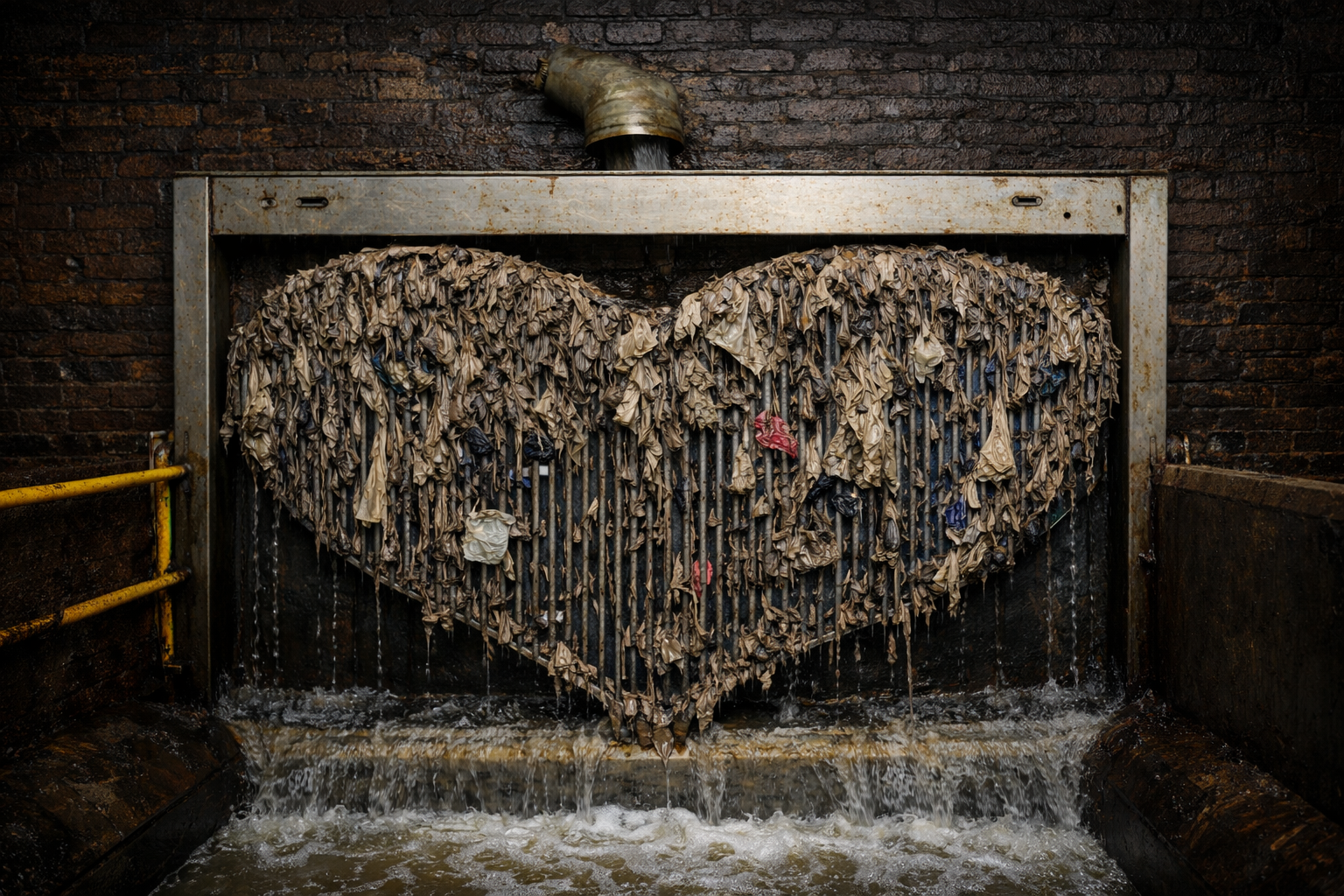
So Happy Valentine’s Day. But it wasn’t always corny cards and feeling obliged to buy flowers was it? At Caley Water, we wanted to dig deep and find out what the backstory to Valentine’s day was. So we asked our office AI Robot. This is what he came up with:
The History of St Valentine’s Day: From Martyr to Modern Romance
Every February, shops fill with roses, chocolates and heart-shaped cards, but the origins of Valentine’s Day are far less commercial — and far more mysterious. The story blends ancient Roman festivals, Christian history and centuries of evolving tradition.
Here’s a short journey through how St Valentine’s Day became the celebration we know today.
Who Was St Valentine?
The truth is, historians aren’t entirely sure. Records suggest there were at least two early Christian martyrs named Valentine, both living in the Roman Empire during the 3rd century.
The most popular legend tells of a Roman priest named Valentine who lived during the reign of Emperor Claudius II. The emperor supposedly believed unmarried men made better soldiers and banned young men from marrying. Valentine, disagreeing with the decree, continued to perform marriages in secret.
When discovered, Valentine was imprisoned and eventually executed around 14 February, AD 269.
According to later stories, while in prison he befriended the jailer’s daughter and left her a note signed “from your Valentine”, a phrase still used today.
From Pagan Festival to Christian Feast Day
Long before Valentine became associated with romance, mid-February already hosted a Roman festival called Lupercalia, celebrated between 13–15 February. The festival marked the coming of spring and included fertility rituals and matchmaking traditions.
As Christianity spread across Europe, church leaders often replaced pagan festivals with Christian observances. By the late 5th century, Pope Gelasius I declared 14 February as St Valentine’s Day, honouring the martyr and gradually reshaping the festival’s meaning.
How Romance Became Central
The connection between Valentine’s Day and romance grew much later, during the Middle Ages. Poet Geoffrey Chaucer is often credited with linking the day to courtly love in the 14th century, writing about birds choosing their mates in February.
By the 1400s and 1500s, exchanging love notes on St Valentine’s Day became common in parts of Europe.
The Birth of Valentine’s Cards
Handwritten valentines became popular in the 1700s, but the tradition truly expanded in the 1800s with the rise of inexpensive printing and reliable postal services. Mass-produced cards made it easy for people to send messages anonymously, and the custom spread rapidly.
By the early 20th century, Valentine’s Day had become a major commercial holiday, with gifts, cards and flowers forming the foundation of modern celebrations.
Valentine’s Day Today
Today, Valentine’s Day is celebrated worldwide, though customs vary. Some countries celebrate romantic partners, others focus on friendships, and in some places the day is marked by small gifts among colleagues and family members.
While its exact origins remain partly uncertain, the spirit of the day has evolved into a celebration of affection, connection and appreciation — whether romantic or simply heartfelt.
A Tradition That Keeps Changing
From Roman rituals to medieval poetry to modern cards and gifts, Valentine’s Day has continually adapted to the times. What began as a mixture of legend and religious remembrance has become a global celebration of human connection.

And perhaps that’s why the holiday continues to endure — because every generation finds its own way to celebrate love.
Barf! That’s what you get when you ask a droid. Anyhoo, here’s a poem. If you get through it, treat yourself to some heart shaped chocolates:
Roses are red, violets are blue,
Sewers need modelling — and that’s where we come through.
Beneath every street where the city lights gleam,
Flows a complex, unsung hydraulic dream.
While couples sip wine in a candlelit glow,
We’re modelling flows where the foul waters go.
When rainfall comes pounding and chambers run tight,
Our models predict if things flow left or right.
No chocolates or roses, no violins’ tune,
Just pump curves and hydrographs under the moon.
For love, like a sewer, needs planning and care,
Or pressure builds up… and disasters are there.
A blockage ignored or a system misread,
And suddenly romance is sewer flood dread.
Beneath every street where the city lights gleam,
Flows a complex, unsung hydraulic dream.
While couples sip wine in a candlelit glow,
We’re modelling flows where the foul waters go.
When rainfall comes pounding and chambers run tight,
Our models predict if things flow left or right.
No chocolates or roses, no violins’ tune,
Just pump curves and hydrographs under the moon.
For love, like a sewer, needs planning and care,
But fear not — with modelling guiding the way,
Communities stay dry come Valentine’s Day.
So here’s to good data, strong networks that cope,
And engineers everywhere modelling hope.
So if this February your heart skips a beat,
Remember the systems beneath your own street.
For love may be grand, but let’s give a cheer
To networks that keep all our homes running clear.
Happy Valentine’s Day from Caley Water —
Where we keep the flows smooth, so romance flows smarter.